 WhatsApp
  +919824528967
  Book A Meeeting
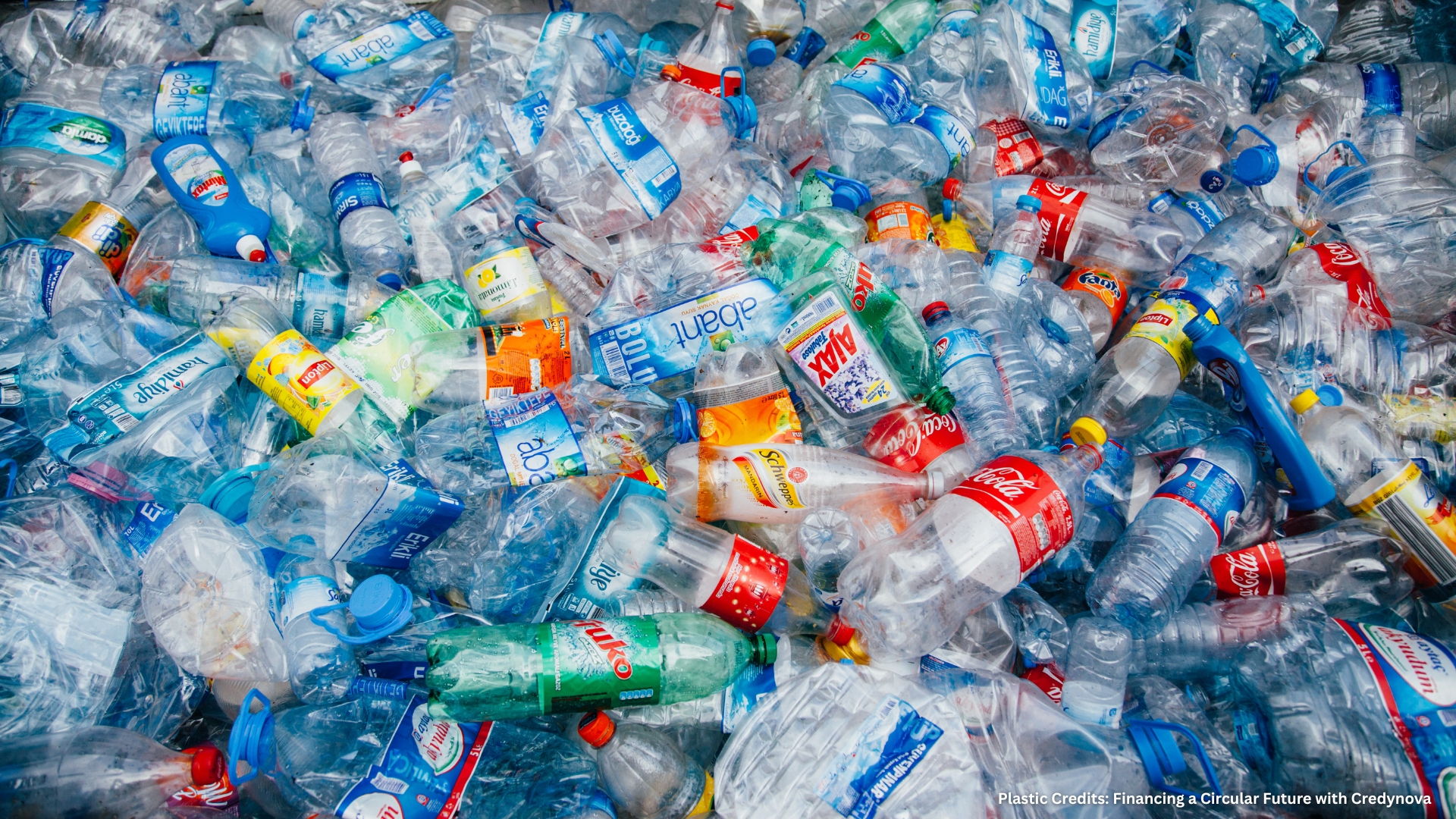




Plastic waste is no longer just an environmental burden—it’s an untapped resource with the potential to fuel a global circular economy. With over 430 million tonnes of plastic produced annually and less than 10% recycled, our planet is under pressure from mounting waste, especially in regions with poor infrastructure. At Credynova, we believe plastic credits are a transformative solution to reverse this trend—by financing recovery, incentivizing recycling, and building a high-integrity market for post-consumer plastic.
Plastic credits provide a new economic engine for tackling plastic pollution—linking corporate offset demand to grassroots environmental action. This article explores how Credynova leverages leading standards, robust methodology, breakthrough technology, and inclusive projects to scale measurable impact worldwide.
What Are Plastic Credits? A Market-Based Instrument for Change
A plastic credit is a verified certificate representing the removal or recycling of one metric tonne of plastic waste. Projects generating these credits undergo third-party audits to ensure traceability, additionality (i.e., beyond-business-as-usual), and impact integrity.
Plastic credits come in two main categories:
- Collection Credits: for waste collected from the environment (e.g., beaches, rivers, landfills).
- Recycling Credits: for plastic processed into secondary raw materials or circular products.
Credynova issues credits only after strict measurement, reporting, and verification (MRV), and registers them in independent registries. Once sold and “retired,” they cannot be resold or double-counted, ensuring full transparency.
Credynova’s Technical Approach: Methodologies, Standards, and Certification
We implement projects aligned with the highest standards in the plastic credit ecosystem:
Verra Plastic Waste Reduction Standard (PWRS)
- Governs the issuance of plastic credits globally
- Covers collection and recycling projects
- Requires third-party validation, baseline assessments, additionality proofs, and MRV protocols
Ocean Bound Plastic (OBP) Certification
- Focuses on coastal waste recovery (<50 km from shore)
- Promotes circular supply chains and transparency for marine plastic impact
PREVENT Waste Alliance & ISO Guidelines
- Emphasize social inclusion, compliance with labor laws, post-consumer origin of waste, and independent auditing
Key Credynova Methodological Elements
- Baseline modeling: To quantify what plastic would have remained unmanaged without project intervention
- Plastic categorization: By polymer type, product type, and contamination level
- Mass balance tracking: Using digital tools for inventory control and verification
- Co-benefit assessment: Captures social impact (livelihoods, inclusion) and environmental benefits (e.g., GHG savings)
Innovative Technologies: From Recovery to Reuse
Plastic Waste Interception
- River and coastal booms (e.g., everwave, Ocean Cleanup)
- Manual and mechanized collection teams in informal settlements and slums
- Floating collection vessels for urban waterways
Advanced Sorting and Pre-Processing
- AI-based optical sorters for high-speed, precise polymer separation
- Mobile shredders and balers for remote communities
- RFID/barcode waste traceability to eliminate data gaps
Recycling Pathways
- Mechanical recycling: For PET, HDPE, and PP—produces flakes, pellets, or fibers
- Chemical recycling: Pyrolysis, gasification, and depolymerization for multilayer/mixed plastics
- Cement co-processing: Turns low-value plastics into fuel to replace coal in kilns
Reuse and Circular Product Innovation
- Plastic-modified asphalt roads: Enhances durability, water resistance, and CO₂ savings
- Plastic bricks and panels: Used in low-cost housing and disaster-resilient infrastructure
- Recycled consumer goods: T-shirts, shoes, packaging made with certified post-consumer plastic
Case Studies: High-Integrity Impact Across Regions
Indonesia – IMPAC+ Bricks Initiative
- Mixed plastic sludge turned into durable bricks
- Diverts non-recyclables from landfill into affordable housing materials
- Certified plastic credits fund local employment and facility scale-up
India – Plastic Road Construction (Maharashtra & Tamil Nadu)
- Shredded waste plastic used in bitumen blend for 2,500+ km of roads
- Roads resist flooding, reduce pothole formation, and consume 1 tonne of waste/km
- EPR-backed credits provide financial sustainability
Ghana – World Bank Bond-Linked Plastic Recovery
- Plastic credits from urban collection sold to repay outcome-based development bonds
- Waste pickers trained and integrated into formal systems
- Social impact: 60%+ of workers are women, with access to insurance and banking
Philippines – River Interception and Ocean-Bound Collection
- Solar-powered booms and drones deployed in Pasig River
- Recovered plastic tracked via blockchain and certified by OBP
- Brands offset post-consumer plastic use in packaging
Financial and Economic Viability
Plastic credits provide strong business cases for recovery and reuse operations. Key financial metrics:
| Factor | Estimated Range / Value |
| Plastic Credit Price | $140 – $670 / tonne |
| Cost of Collection & Processing | $80 – $400 / tonne (region-dependent) |
| IRR for Recycling Infrastructure | 10% – 18% (based on blended finance) |
| Credit Volume Potential | 20–50 tonnes/month per medium project |
| Social ROI | Up to $3 impact per $1 invested (inclusive livelihoods, cleanups, etc.) |
These credits unlock investment in previously non-bankable waste operations and stimulate local economies while meeting ESG and sustainability KPIs.
Environmental and Social Impact
Every credit sold by Credynova results in:
- Plastic waste diverted from nature
- Reduced carbon emissions through avoidance of incineration
- Fair wages and formalization of informal waste workers
- Empowered women and youth in the circular economy
- Cleaner rivers, cities, and coastlines
By combining verified recovery with end-use innovation, we ensure that every dollar goes beyond cleanup—it drives systemic change.
Policy and Regulatory Integration
Credynova supports national and global frameworks:
- Extended Producer Responsibility (EPR): Plastic credits complement mandated recovery obligations (India, Philippines, Brazil)
- UN Global Plastic Treaty: We advocate for voluntary market alignment with treaty goals
- Corporate Disclosures & ESG Reporting: Our credits contribute to SDGs, GRI, and CDP plastic reporting standards
We also assist governments in designing credible, transparent plastic offset registries and blended finance mechanisms (e.g., waste recovery bonds).
Why Credynova? Our Edge
- End-to-end digital traceability of each tonne recovered and reused
- Technical partnerships with innovators in AI, materials science, and circular design
- Proven impact in high-leakage, high-need geographies
- Transparent credit registry and retirement process
We operate as a bridge between global plastic responsibility and local waste recovery ecosystems—unlocking climate, development, and circularity wins.
Join Us: Invest, Partner, Scale
Credynova is actively onboarding:
- Corporations seeking to offset their plastic footprint credibly and transparently
- Investors looking for high-ROI ESG opportunities in the waste management sector
- Governments and NGOs building national recovery infrastructure
- Technology providers and research groups innovating recycling and reuse methods
Be part of the plastic recovery revolution. Let’s turn waste into roads, bricks, jobs, and cleaner oceans—one verified plastic credit at a time.
Contact us to explore collaboration opportunities or request a project feasibility proposal.
