Credynova || Credible Solutions, Sustainable Impact!

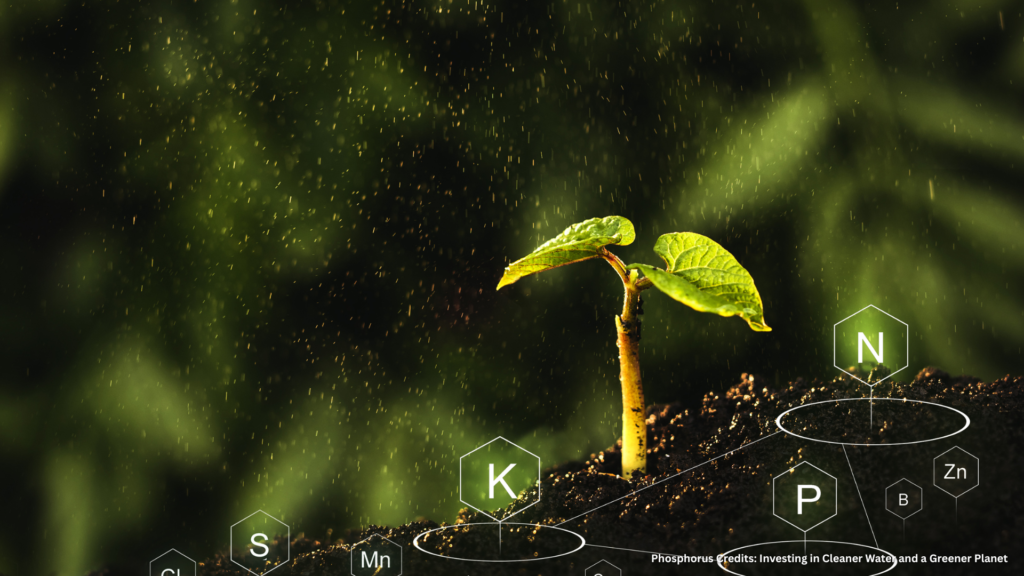
Phosphorus credits are tradable certificates representing a verified reduction of phosphorus pollution. Excess phosphorus – from fertilizers, manure, or sewage – causes algae blooms, oxygen-starved...

Phosphorus credits are tradable certificates representing a verified reduction of phosphorus pollution. Excess phosphorus – from fertilizers, manure, or sewage – causes algae blooms, oxygen-starved “dead zones,” and contaminated drinking water. These blooms can release methane and nitrous oxide, making eutrophic waters significant greenhouse gas sources. By placing a value on each pound of phosphorus kept out of rivers and lakes, credits create a market incentive to adopt nutrient-smart practices. In effect, phosphorus credits are to water quality what carbon credits are to climate: they fund solutions that advance clean-water, biodiversity, and climate goals simultaneously. Environmental agencies are increasingly using nutrient trading to meet clean-water mandates. For example, under the Chesapeake Bay cleanup plan, wastewater and industrial dischargers can buy phosphorus credits instead of building expensive in-plant controls if they pay farmers or landowners to adopt practices that cut runoff. Credits ensure that every pound of phosphorus avoided counts – helping regulators reach targets cost‑efficiently. Because phosphorus overflows degrade waterways and the climate (eutrophic waters emit >30% of global CO₂-equivalent fossil fuel emissions), these markets are critical tools for sustainable agriculture, water quality, and ecosystem health.

Phosphorus credits are tradable certificates representing a verified reduction of phosphorus pollution. Excess phosphorus – from fertilizers, manure, or sewage – causes algae blooms, oxygen-starved...

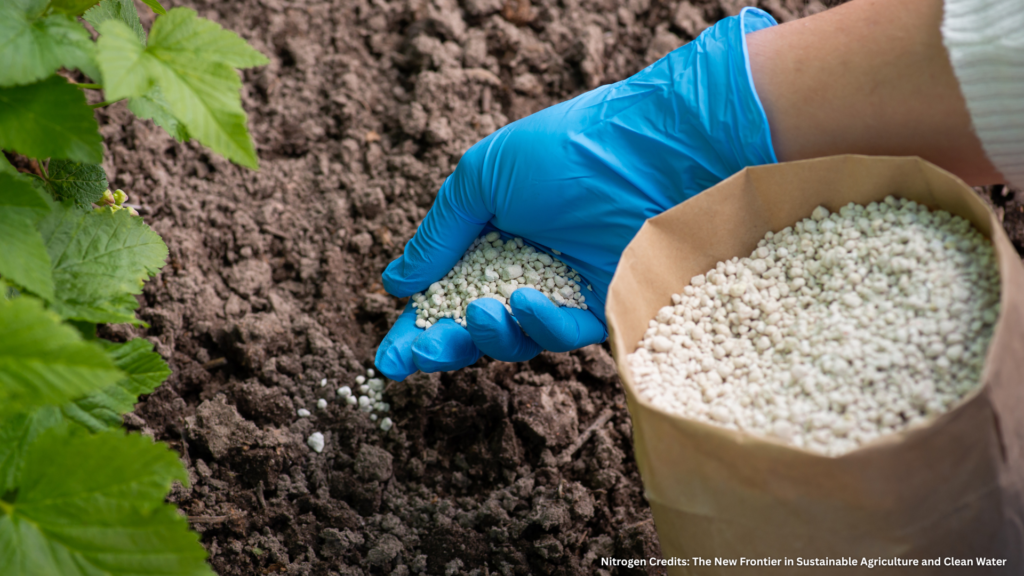
Excess reactive nitrogen—from agriculture farm runoff to wastewater—is a growing crisis. Surplus fertilizer fuels toxic algal blooms, dead zones, soil acidification, and smog, while powerful...

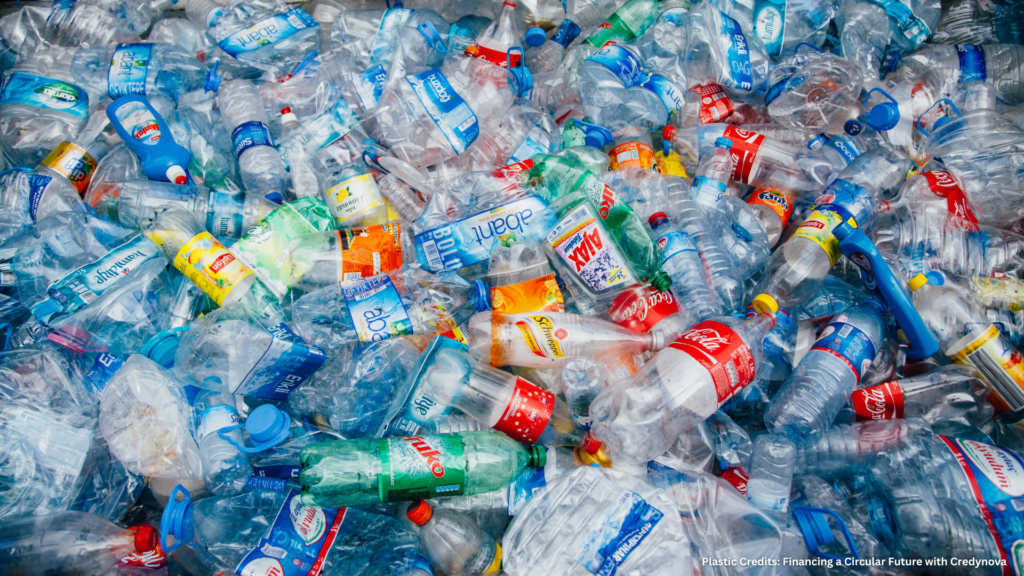
Plastic waste is no longer just an environmental burden—it’s an untapped resource with the potential to fuel a global circular economy. With over 430 million...

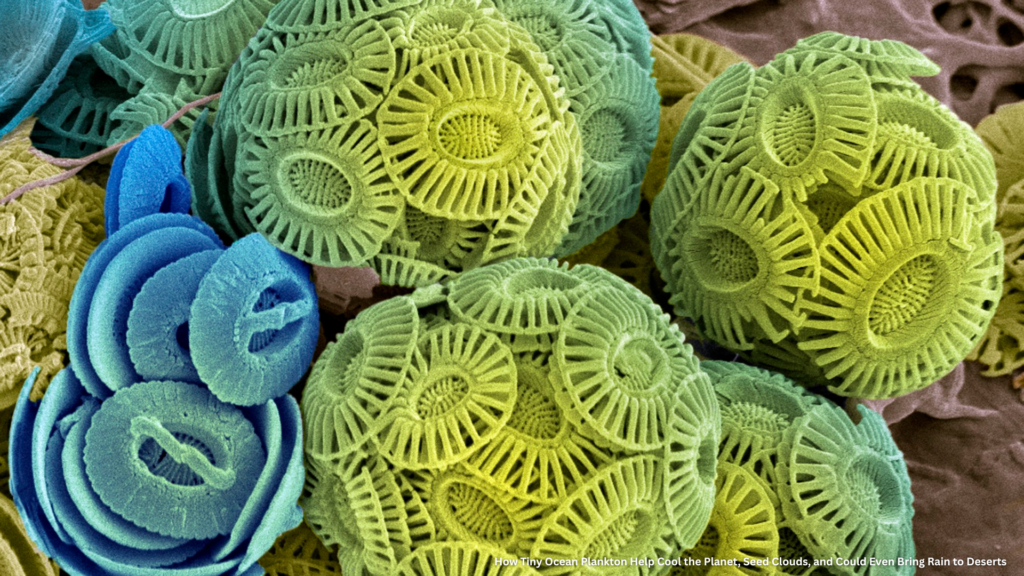
When we think of natural solutions to climate change, forests and plants often come to mind. But in the vast blue depths of our oceans,...

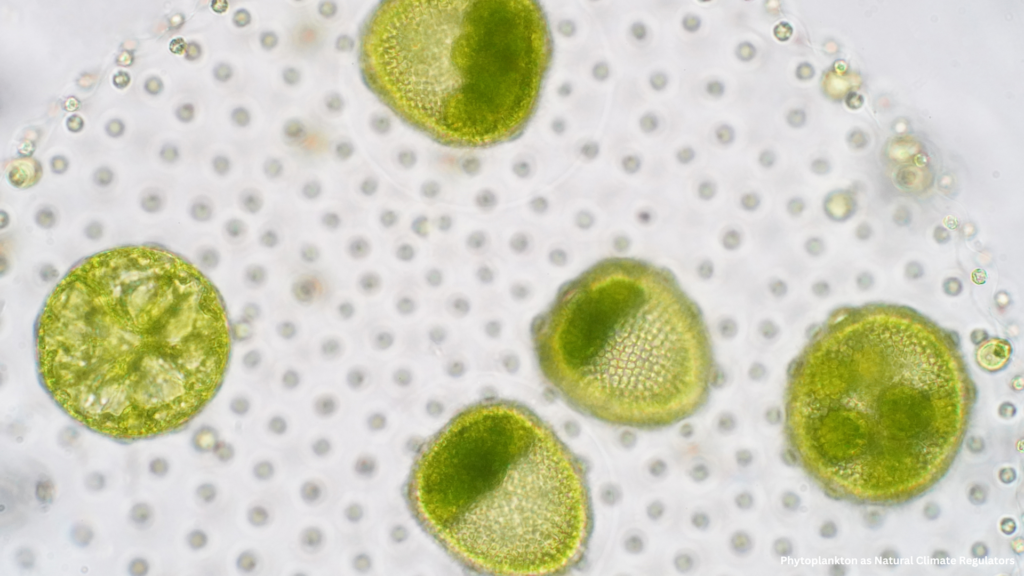
Microscopic Powerhouses Behind the Planet’s Climate While often overlooked, phytoplankton — the microscopic, photosynthetic organisms floating in our oceans — have a profound impact on...

Phytoplankton, the microscopic photosynthetic organisms drifting in the upper sunlit layers of oceans and freshwater, are the foundational producers of the marine food web. However,...