Credynova || Credible Solutions, Sustainable Impact!

Imagine a world where each drop of water saved or cleaned can be turned into a tradable asset. Water credits work much like carbon credits,...

Imagine a world where each drop of water saved or cleaned can be turned into a tradable asset. Water credits work much like carbon credits, quantifying the benefit of projects that conserve or purify water. Each credit represents a specific water volume or quality improvement certified by a standard body. For example, Act4Water’s “Credit Aqua Positive” (CAP) system defines one credit as 1,000 m³ of saved water footprint . In practice, a factory that installs wastewater recycling, or a community that builds rainwater-harvesting tanks, can earn credits for every cubic meter of water conserved. Corporations and others can then buy those credits to offset their own water use or support water security. In short, water credits create a market mechanism: companies with excess water savings can sell credits, while water-intensive users can purchase them, linking water stewardship to finance. This market-based approach channels private investment into tangible water projects. Developers first design interventions (like new treatment plants or irrigation systems) and establish a baseline of water usage. After implementation, an accredited verifier measures the actual water saved or delivered. Credits are then issued on a trusted registry and can be sold on the voluntary market. In effect, each credit sale funds the ongoing operation of the project, ensuring real and measurable water impact. By treating water conservation as a certifiable asset, organizations can better finance sustainability efforts that build resilience against drought and scarcity.

Imagine a world where each drop of water saved or cleaned can be turned into a tradable asset. Water credits work much like carbon credits,...

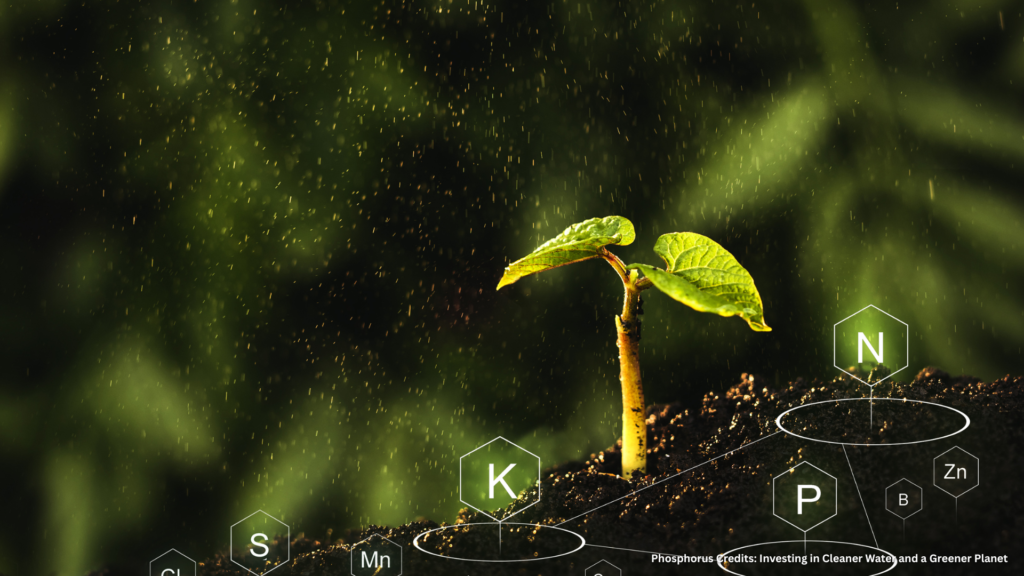
Phosphorus credits are tradable certificates representing a verified reduction of phosphorus pollution. Excess phosphorus – from fertilizers, manure, or sewage – causes algae blooms, oxygen-starved...

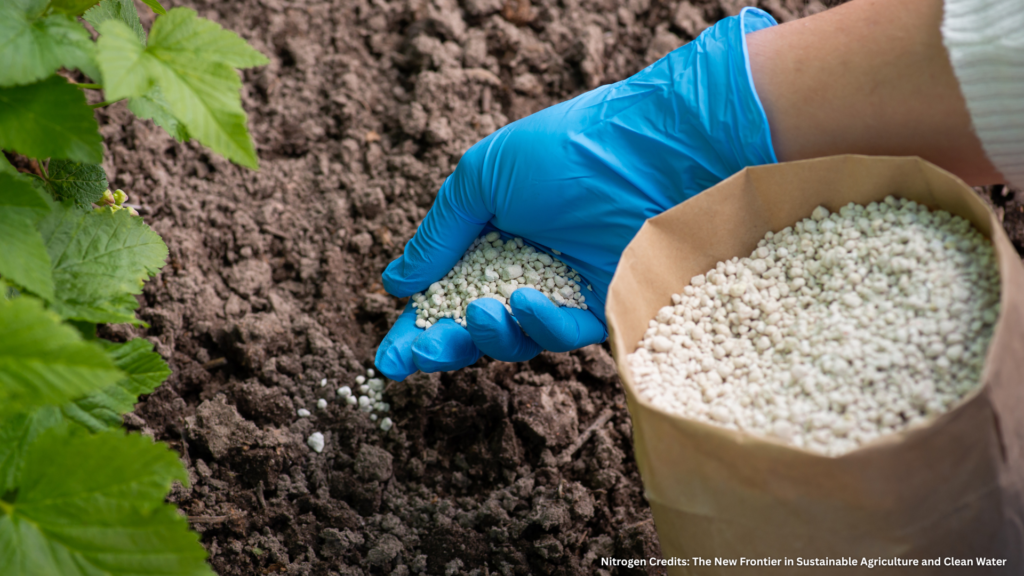
Excess reactive nitrogen—from agriculture farm runoff to wastewater—is a growing crisis. Surplus fertilizer fuels toxic algal blooms, dead zones, soil acidification, and smog, while powerful...

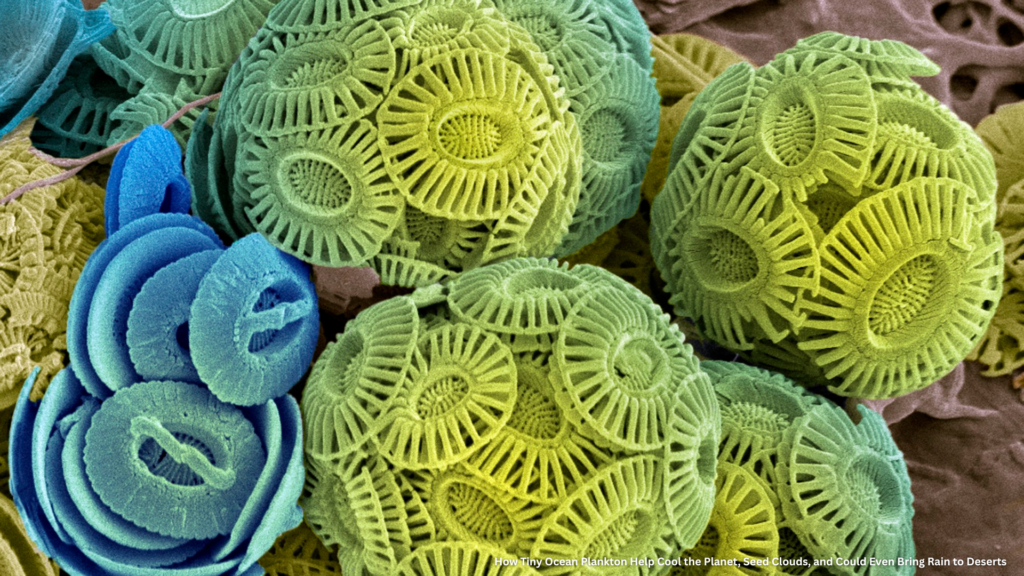
When we think of natural solutions to climate change, forests and plants often come to mind. But in the vast blue depths of our oceans,...

In the global race to mitigate climate change, few would imagine that the humble fig tree (Ficus spp.)—a species revered for centuries in cultural and...

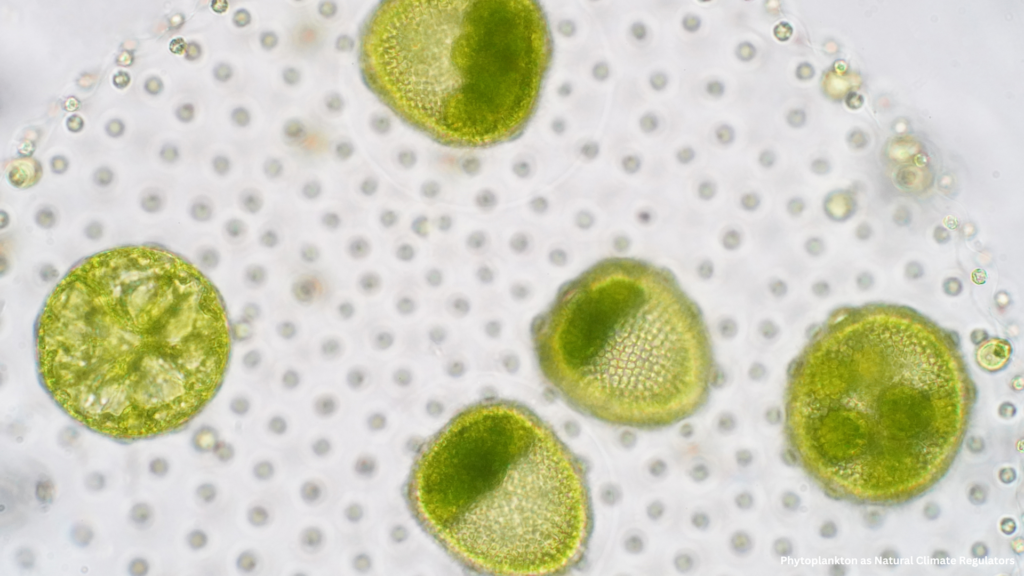
Microscopic Powerhouses Behind the Planet’s Climate While often overlooked, phytoplankton — the microscopic, photosynthetic organisms floating in our oceans — have a profound impact on...

Phytoplankton, the microscopic photosynthetic organisms drifting in the upper sunlit layers of oceans and freshwater, are the foundational producers of the marine food web. However,...