At Credynova, we are redefining sustainability by integrating
Lorem ipsum dolor sit amet consectetur. Dui nulla tristique sagittis sed morbi sit eu faucibus.
Whether you’re looking to buy credits, sell offsets, develop projects, or collaborate on climate innovation, Credynova is your trusted partner for driving measurable impact and scaling global solutions.
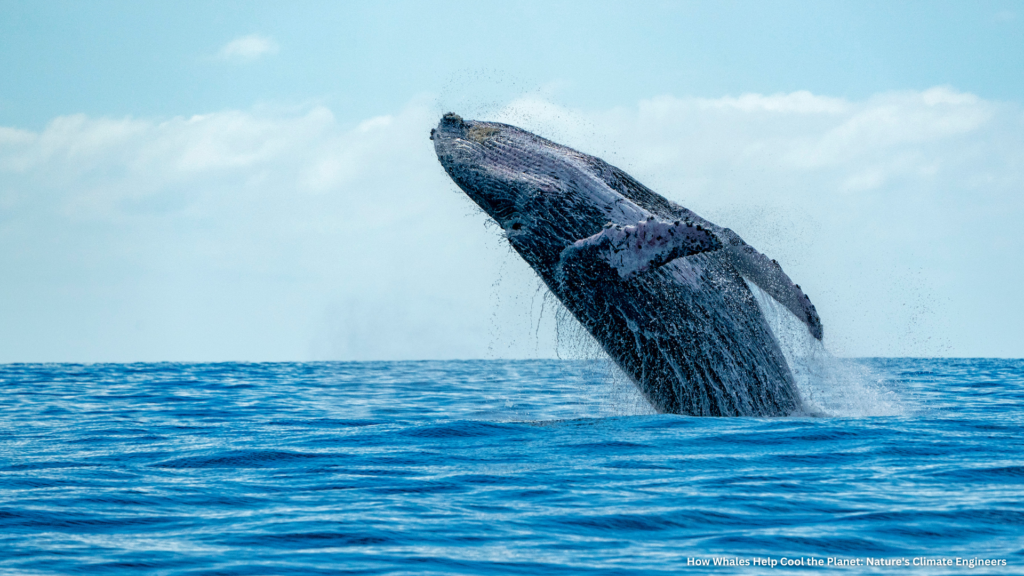
When we think of natural solutions to climate change, forests and plants often come to mind. But in the vast blue depths of our oceans,...
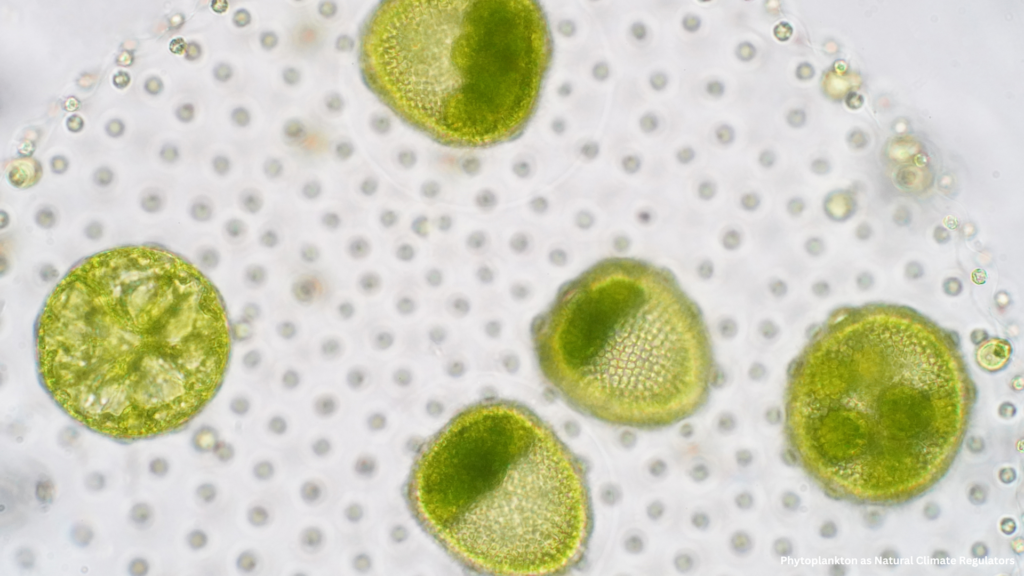
Phytoplankton, the microscopic photosynthetic organisms drifting in the upper sunlit layers of oceans and freshwater, are the foundational producers of the marine food web. However,...


 WhatsApp
  +919824528967
  Book A Meeeting